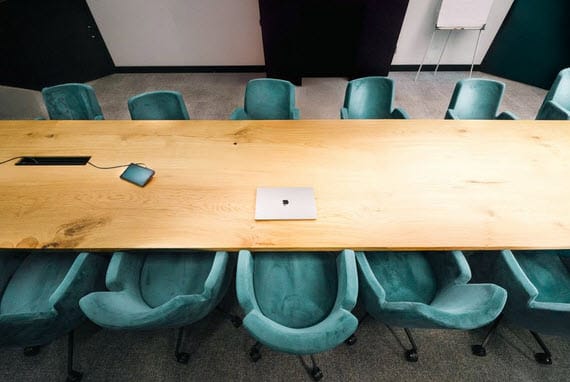
Walk into any meeting room, and the table tells you something before anyone speaks. A scratched, wobbling laminate slab says one thing; a solid, well-made table says another. It is the most-used and most-seen piece of furniture in the building.
That makes the conference table worth choosing carefully, not grabbing off a catalog. A maker like Parkman Woodworks builds handcrafted conference tables in solid wood, sized to the room and built for decades of daily use. This guide covers why the table matters, what a good one should deliver, why solid wood beats laminate, and how to size one.
Why Does the Conference Table Matter?
Because it is where the business performs. Pitches, negotiations, and team decisions all happen around it, often in front of the people you most want to impress.
A quality table signals stability and care, just as a tidy office does. Clients read the room, literally, and a battered table undercuts an otherwise sharp presentation. The cost of getting it wrong is reputational, not just financial. First impressions form fast. A solid table makes the right one without saying a word.
It is also a workhorse. The conference table absorbs years of laptops, coffee cups, and elbows, far more wear than most furniture sees. Anything built to a budget shows that wear fast, which is why durability matters as much as looks here. Anyone fitting out an office should budget for the table early, not as an afterthought.
What Should an Office Conference Table Deliver?
More than a flat surface. A table that earns its place handles several jobs at once:
- Durability, surviving daily heavy use for years without looking tired.
- The right size, seating the team comfortably with room to work.
- Cable management, keeping power and data tidy for modern meetings.
- Comfort, with height and legroom that suit long sessions.
- A look that fits, matching the tone the business wants to set.
Get these right and the table supports the work instead of getting in its way. Comfort in particular is easy to overlook, yet the federal guidance on workplace ergonomics applies to a shared table as much as a desk.
Why Choose Solid Wood Over Laminate?
Because the table has to last, and laminate rarely does. Laminate and veneer look fine on day one, then chip, peel, and swell at the edges within a few years of real use.
Solid wood ages the opposite way. It can be sanded and refinished, so a decade of meetings leaves it characterful rather than shabby. A solid table also feels substantial, and that heft reads as quality the moment someone sits down.
Stability is part of it, too. A heavy, well-built table does not rock or shift, and weight matters for safety as well as feel, which is why the CPSC publishes furniture tip-over guidance. For a piece this central, paying once for solid wood is cheaper than replacing laminate twice.
How Do You Size and Choose One?
Match the table to the room and the team, not the other way around. The table below gives a starting point.
| Room / Use | Guidance |
| Seats 6 to 8 | Around 8 feet long suits a standard meeting room |
| Seats 10 to 12 | Plan for 12 feet or more, with circulation space |
| Tight rooms | Allow at least 3 feet of clearance to walk around |
| Power needs | Specify built-in cable and power management |
| Style | Choose a wood and finish that match the brand |
Measure the room first, leave a generous walking space, and only then choose the table. Plan the technology too. The way smart office setup pays off over time, a well-chosen table protects the budget by simply lasting. Buy the right size once. Resizing later means buying twice.
Before You Furnish the Boardroom
- The conference table is the most-seen, most-used piece in the office.
- A quality table signals stability; a battered one undercuts the pitch.
- Solid wood can be refinished and lasts where laminate chips and peels.
- Size the table to the room, with room to seat and circulate.
- Specify cable management and a finish that matches the brand.
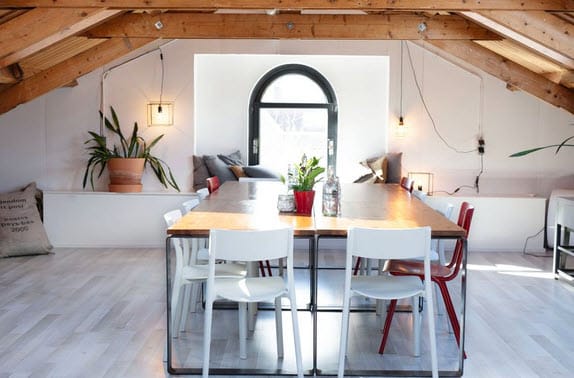
The Table That Earns Its Place
A conference table is not a commodity to buy on price alone. It sets the tone of every meeting and takes more daily punishment than almost anything else in the office. Choose solid wood, size it properly, and it will look the part and last for decades, which is exactly what a centerpiece of the workspace should do.
Frequently Asked Questions
How Big Should a Conference Table Be?
Size it to the room and the team. A table seating 6 to 8 is usually around 8 feet long, while a 10- to 12-seat table requires 12 feet or more. Always leave at least 3 feet of clearance around it so people can walk and pull out chairs comfortably.
Is a Solid Wood Conference Table Worth the Cost?
For most offices, yes. It survives years of heavy daily use, can be refinished rather than replaced, and projects a quality that laminate cannot match. Because the conference table is so central and so visible, paying once for something durable usually beats replacing a cheaper table within a few years. Spread the cost across a decade of meetings, and the premium looks small. The impression it makes pays back every time.
What Features Matter Most In a Conference Table?
Durability, the right size, and cable management top the list, followed by comfort and a look that fits the brand. The table sees constant use and frequent scrutiny, so it needs to handle wear, seat the team properly, and keep modern meetings tidy with built-in power and data routing.
How Do You Maintain a Wood Conference Table?
Wipe spills promptly, use coasters and pads, and clean with products suited to the finish rather than harsh chemicals. Solid wood can also be re-oiled or refinished periodically to restore its surface. That ability to renew the table, rather than discard it, is a major advantage over laminate in the long term. A quick wipe after meetings handles most day-to-day work. Re-oiling it once a year keeps the surface sharp.