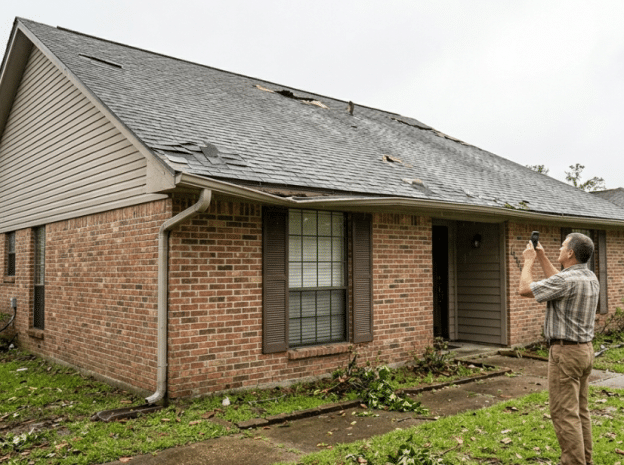
Most people touring office space look at the obvious things: the layout, the parking, the lobby, how far the break room is from the conference room. Very few look up, and fewer still ask to see the roof. That’s understandable. But the roof is one of the most expensive building components to repair or replace, and depending on how your lease or purchase is structured, part of that cost could end up being yours.
Whether you’re leasing a suite in a multi-tenant building or buying a small office property outright, the roof deserves a spot on your due diligence list.
Why the Roof Matters More Than You’d Think
A roof failure is rarely just a roof problem. A slow leak above a drop ceiling can go unnoticed for months while it soaks insulation, stains ceiling tiles, and feeds mold growth inside wall cavities. By the time water shows up on the carpet, the damage has often spread well beyond the original spot.
For a business, that means more than a repair bill. It can mean ruined equipment, displaced staff, disrupted client meetings, and in serious cases, a space you can’t use until remediation is finished. Air quality complaints from employees are a common early sign of hidden moisture problems, and they’re not something you want to be sorting out a few months into a new lease.
Leasing: Who Pays When the Roof Needs Work?
This is where many tenants get caught off guard. Responsibility for the roof depends heavily on the lease type.
In a full-service or gross lease, the landlord typically handles roof maintenance and repairs as part of operating the building, and the cost is folded into your rent.
In a triple net (NNN) lease, tenants usually pay their share of property taxes, insurance, and maintenance, and roof upkeep often falls under that maintenance bucket. Some NNN leases go further and pass through part of the cost of a roof replacement, sometimes spread out over the remaining life of the new roof.
In a modified gross lease, it depends entirely on how the language is written.
Before you sign, it’s worth asking your tenant rep or attorney to look closely at a few things:
- Whether the lease distinguishes between routine roof maintenance and capital replacement, and who pays for each
- Whether capital expenses can be passed through to tenants, and if so, how they’re amortized
- What the landlord’s obligation is to respond to leaks, and how quickly
- Who is responsible for damage to your furniture, equipment, and inventory if the roof fails
A roof that’s already near the end of its service life is a real risk in an NNN deal. If the landlord replaces it in year two of your five-year lease, you could be helping pay for an asset that will outlast your tenancy by decades. Knowing the roof’s age up front gives you leverage to negotiate caps or exclusions before you’re committed.
Buying: Make the Roof Part of the Inspection
If you’re purchasing an office building, the roof should get its own dedicated inspection, separate from the general property inspection. General inspectors often only view the roof from a ladder or not at all, which isn’t enough for a commercial low-slope roof with multiple penetrations, rooftop HVAC units, and drainage systems.
A proper commercial roof inspection should tell you:
- The roof type and approximate age. Most low-slope office roofs are single-ply membranes like TPO or EPDM, modified bitumen, built-up roofing, or metal. Each has a different expected lifespan and maintenance profile.
- The condition of seams, flashing, and penetrations. These are where most leaks start, especially around HVAC curbs, vents, and skylights.
- Drainage performance. Ponding water that sits for more than a couple of days after rain shortens a roof’s life and adds weight to the structure.
- Evidence of past repairs. Lots of patches can signal a roof that’s been kept alive rather than properly maintained.
- Whether any warranty is transferable. Manufacturer warranties sometimes carry over to a new owner, but often only with registration or an inspection fee.
If the inspection turns up problems, you have options: negotiate a price reduction, ask the seller to make repairs before closing, or request a credit at closing. What you want to avoid is discovering the issue after the first heavy storm.
Climate Changes the Math
Where the building sits affects how much weight you should put on the roof. A roof in a mild, dry climate faces very different stress than one in a region with heavy rain, high humidity, and hurricane exposure.
The Gulf South is a good example. Baton Rouge sees a lot of rain in a typical year, along with long stretches of heat and humidity and the ongoing threat of tropical storms from June through November. That combination is hard on commercial roofs. UV exposure breaks down membranes, heavy downpours test drainage systems, and high winds can lift edges and flashing that were already weakened.
For tenants and buyers in markets like this, it pays to have a local contractor who understands regional conditions look at the roof before you commit. If you’re evaluating property in the Capital Region, a firm that specializes in commercial roofing in Baton Rouge can tell you whether a roof is built for local wind and rain loads and how much life it realistically has left. That’s information a generic inspection checklist won’t always give you.
It’s also worth asking about insurance in storm-prone areas. Named storm and wind deductibles along the Gulf Coast are often calculated as a percentage of the insured value rather than a flat amount, which can mean a large out-of-pocket cost after a major event. A newer, well-maintained roof may help with insurability and premiums, while an aging one can make coverage harder to secure.
Questions to Ask Before You Commit
Whether you’re leasing or buying, these questions are a good starting point:
- How old is the roof, and when was it last replaced?
- Is there a current warranty, and who holds it?
- Are there maintenance records or inspection reports from the last few years?
- Has the building had any leaks or water intrusion claims?
- Are there plans for major roof work during the lease term?
- For a lease: who pays for repairs versus replacement, and is there a cap?
A landlord or seller who can answer these quickly and with documentation is usually running a well-managed property. Vague answers are a signal to dig deeper.
The Bottom Line
The roof won’t be the first thing that sells you on an office space, but it can be the thing that turns a good deal into an expensive one. A little time spent on roof due diligence, whether that’s a lease clause review or a professional inspection, helps you avoid surprise costs and business disruption down the road.
Working with an experienced tenant representative is one of the best ways to make sure details like this don’t slip through the cracks. They know which questions to ask, which lease clauses to push back on, and when it’s worth bringing in a specialist before you sign.