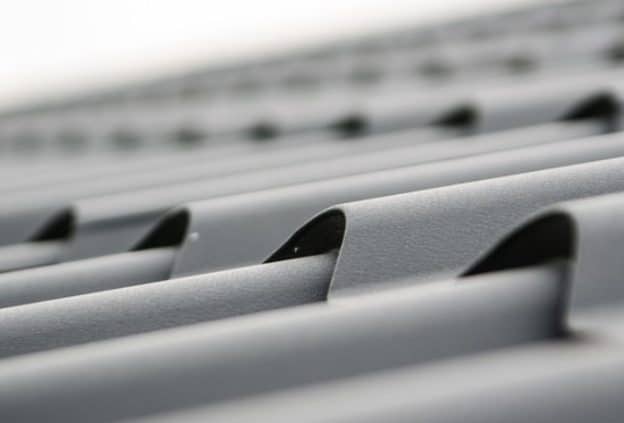
Energy efficiency is now a major operational priority for commercial and industrial property owners. Roofing directly controls building temperature, reduces HVAC load, and lowers long-term operating expenses.
In large facilities, warehouses, manufacturing plants, retail centers, and office buildings, the roof is one of the biggest factors in overall energy performance.
In 2026, energy-efficient roofing systems will no longer be optional upgrades.
They are strategic investments tied directly to cost control, sustainability goals, and building performance standards.
What Is Energy-Efficient Commercial Roofing?
Energy-efficient roofing refers to roofing systems designed to reduce heat absorption and improve thermal performance in large buildings.
These systems are engineered to:
- Reflect solar heat instead of absorbing it
- Reduce cooling demand on HVAC systems
- Stabilize indoor temperatures in large open spaces
- Improve long-term roof durability under thermal stress
For industrial facilities with large roof surfaces, even small efficiency improvements can translate into significant energy savings.
Why Energy Efficiency Matters in Commercial Roofing
Unlike residential roofs, commercial roofs cover thousands or even hundreds of thousands of square feet. That means:
- Heat gain is multiplied across large surface areas
- HVAC systems run longer and harder
- Utility costs increase significantly in the summer months
Energy-efficient roofing helps reduce:
- Peak cooling demand
- Electrical consumption
- Equipment wear and tear
- Overall operating expenses
In many facilities, roofing upgrades can be part of a broader energy management strategy.
Energy Efficient Roofing Systems Used in Commercial Buildings
TPO Roofing Systems (Highly Reflective)
Thermoplastic Polyolefin (TPO) is one of the most widely used commercial roofing systems for energy efficiency.
Key benefits:
- Highly reflective white surface reduces heat absorption
- Heat-welded seams improve leak resistance
- Cost-effective for large installations
- Strong performance in hot climates
TPO is commonly used on warehouses, logistics centers, and retail buildings.
EPDM Roofing with Reflective Coatings
EPDM (rubber roofing) is durable but naturally absorbs heat when black. However, it can be upgraded with reflective coatings.
Key benefits:
- Long service life
- Strong weather resistance
- Lower upfront material cost
- Improved efficiency when coated with reflective layers
This system is often used in older industrial buildings being upgraded for efficiency.
PVC Roofing Systems
PVC roofing is a high-performance membrane used in commercial applications where chemical resistance and durability are important.
Key benefits:
- Strong reflectivity
- Excellent chemical resistance (ideal for industrial facilities)
- Heat-welded seams for waterproofing
- Long-term durability
PVC is often selected for factories, processing plants, and restaurants with grease exposure.
Metal Roofing Systems
Metal roofing remains one of the most durable and energy-efficient systems for commercial use, according to CTA Exteriors.
Key benefits:
- Reflects solar radiation effectively
- Extremely long lifespan (40–70+ years)
- Can be coated with reflective finishes
- Low maintenance requirements
Metal roofs are commonly used for industrial warehouses and large commercial complexes.
Energy Efficient Roofing Materials and Coatings
Reflective Roof Coatings
Roof coatings are a cost-effective way to improve energy efficiency without full replacement.
Benefits:
- Lower roof surface temperature
- Extend existing roof life
- Improve reflectivity
- Reduce HVAC strain
These are commonly applied to flat roofs in industrial environments.
Energy Efficient Commercial Roofing Membranes
Modern membranes are engineered with:
- High solar reflectance
- UV resistance
- Improved insulation compatibility
- Thermal expansion resistance
These materials help stabilize indoor temperatures even in large, open warehouse environments.
Impact of Roof Color on Energy Efficiency
Color has a direct impact on heat absorption:
- White or light-colored roofs: Reflect sunlight and reduce cooling costs
- Dark roofs: Absorb more heat and increase HVAC demand
In industrial facilities, white TPO or coated systems are often preferred for energy savings.
Operational Benefits for Commercial Property Owners
Energy-efficient roofing provides measurable business advantages:
- Lower utility and energy expenses
- Reduced HVAC system workload
- Improved temperature control in production and storage areas
- Increased building lifespan and reduced maintenance cycles
- Better compliance with sustainability and energy standards
For large facilities, even a small percentage reduction in energy use can result in substantial annual savings.
Key Considerations Before Upgrading
Commercial and industrial owners should evaluate:
- Roof size and structural load capacity
- Existing insulation and ventilation systems
- Local climate conditions
- Equipment on roof (HVAC units, vents, solar arrays)
- Long-term maintenance costs vs upfront investment
Energy efficiency improvements work best when paired with proper insulation and drainage systems.
Why Professional Installation Matters
Energy-efficient roofing systems require precise installation to perform correctly at scale.
Proper installation ensures:
- Seam integrity and leak prevention
- Correct thermal performance
- Full manufacturer warranty compliance
- Maximum system lifespan
Working with an experienced roofing contractor ensures the system is properly installed and performs as designed under real-world conditions. Professional installation also helps protect seam integrity, maintain thermal performance, preserve manufacturer warranty compliance, and maximize the roofing system’s lifespan.
Conclusion
Energy-efficient roofing is a critical investment for commercial and industrial buildings in 2026. Systems such as TPO, PVC, EPDM with coatings, and metal roofing each offer distinct advantages depending on the building type and operational needs.
For large facilities, improving roof efficiency directly reduces energy consumption, stabilizes indoor environments, and lowers long-term operational costs. When properly designed and installed, these systems become a key part of a building’s overall performance strategy.
For property owners evaluating upgrades or replacements, working with experienced specialists in energy-efficient commercial roofing systems ensures the best long-term return on investment.