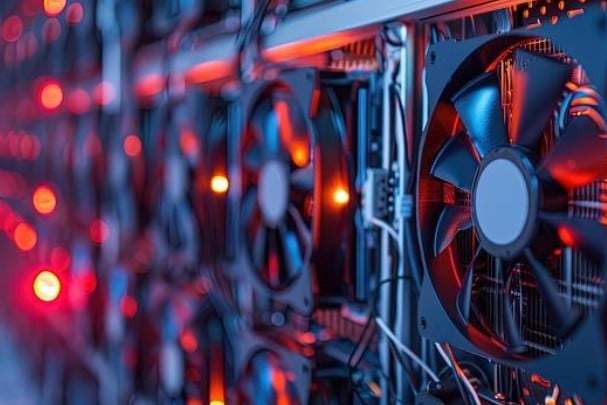
Data centers are one of the most important parts of the modern internet, even though most people never see them.
Every time you stream a video, send a message, use cloud storage, or visit a website, you are relying on a data center somewhere in the world.
In simple terms, data centers are buildings filled with powerful computers that store, process, and distribute digital information.
What Do Data Centers Do?
Data centers are designed to keep digital services running 24/7 without interruption. They handle the “behind-the-scenes” work of the internet.
Core functions of data centers:
- Store huge amounts of data (photos, videos, files, apps)
- Run websites and online platforms
- Process cloud computing tasks
- Support banking, shopping, and streaming services
- Manage communication between devices and networks
Without data centers, most modern apps and websites would not function.
What Are Data Centers Used For?
Data centers are used across nearly every industry, including:
Everyday use
- Social media platforms
- Email services
- Online gaming
- Video streaming (Netflix, YouTube, etc.)
Business use
- Cloud storage and backups
- Company databases
- Remote work tools
- E-commerce platforms
Critical infrastructure
- Hospitals and healthcare systems
- Banks and financial transactions
- Government services
- Emergency communication systems
They are essentially the foundation of the digital world.
Why Do Data Centers Need Water?
One of the most surprising facts about data centers is that many of them use large amounts of water.
The main reason: cooling
Servers generate a huge amount of heat when running constantly. If they overheat, they can slow down or fail.
Water is used because:
- It is highly effective at absorbing heat
- It helps cool large systems more efficiently than air in some setups
- It supports industrial-scale cooling systems
How water is used:
- Cooling towers that release heat into the air
- Chilled water systems that circulate through equipment
- Evaporator cooling methods in some facilities
Not all data centers use water in the same way, but cooling is always a major concern.
Why Cooling Is So Important in Data Centers
Data centers run thousands of servers 24/7, which creates constant heat. Without cooling, systems would:
- Overheat and shut down
- Lose data performance
- Risk of hardware damage
- Cause service outages
That is why cooling design is one of the most important parts of data center construction.
Many modern facilities invest heavily in energy-efficient systems and improved infrastructure, including the best data center cooling solutions, to reduce energy use while maintaining safe temperatures.
Types of Data Center Cooling Methods
To manage heat, data centers use different cooling strategies:
Air cooling
- Uses fans and airflow systems
- Common in smaller facilities
- Lower cost but less efficient at large scale
Liquid cooling
- Uses water or special fluids to absorb heat
- More efficient for high-performance computing
- Increasingly used in modern AI and cloud systems
Hybrid cooling systems
- Combine air and liquid methods
- Balance efficiency and cost
The Growing Importance of Data Centers
Data centers are growing rapidly because:
- More people use cloud services
- AI systems require massive computing power
- Businesses rely on digital storage
- Internet traffic continues to increase globally
They are now considered critical infrastructure in most countries.
The Future of Data Centers
The future of data centers is being shaped by a convergence of efficiency, intelligence, and sustainability. As AI workloads surge and global connectivity demands intensify, operators are shifting toward hyperscale campuses, liquid-cooling systems, and advanced automation that can dynamically optimize power and performance.
Renewable-energy integration is becoming a competitive necessity, with next-generation facilities designed to run on solar, wind, and even small-scale modular nuclear power. At the same time, edge data centers are proliferating to support low-latency applications like autonomous vehicles and real-time analytics. Together, these trends point to a data-center ecosystem that is larger, greener, and far more distributed—an essential backbone for the digital economy of the next decade.
Key Takeaways
- Data centers store and process the world’s digital information
- They power websites, apps, banking, and streaming
- Cooling is essential to prevent overheating
- Water is often used because it is highly effective at heat removal
- Modern systems are becoming more energy-efficient and advanced
Conclusion
Data centers are the backbone of the modern internet. Even though they are hidden from everyday view, they support nearly everything we do online.
From social media to healthcare systems, they ensure digital services run smoothly and continuously.
As demand for data grows, cooling technology, especially systems supported by the best data center cooling solutions, will continue to play a major role in keeping the digital world running efficiently and safely in 2026 and beyond.