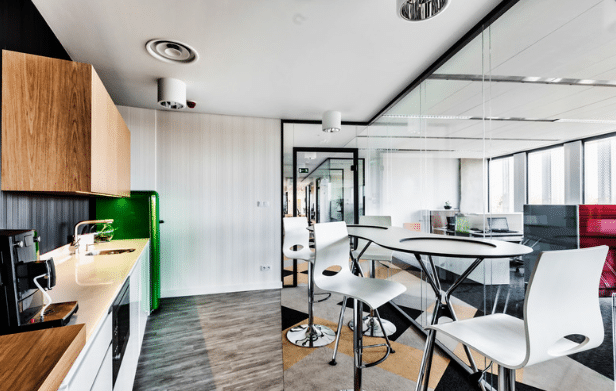
An office kitchen rarely gets the same scrutiny a home kitchen does. Nobody owns the mess entirely, cleanup often falls to whoever happens to notice it, and food gets left behind more easily when everyone assumes someone else will deal with it eventually. That combination of shared responsibility and inconsistent follow-through creates exactly the conditions ants, cockroaches, flies, and rodents look for, and for Cowley businesses managing break rooms, vending areas, and desk snacks, the risk tends to build quietly until it’s impossible to ignore.
Why Shared Food Spaces Draw More Pest Attention Than Homes Do
A typical office combines several small food sources spread across a single floor plan: a shared refrigerator, a vending machine tucked into a hallway, a pantry shelf stocked with communal snacks, and dozens of individual desks where employees keep granola bars or coffee creamer within reach. Each of these spots looks harmless on its own, but together they create a steady, distributed food supply that’s considerably harder to monitor than a single household kitchen.
This distribution matters because pests don’t need much to establish a presence. A few crumbs behind a vending machine, a spill in the back of a shared fridge, or a desk drawer with forgotten snack wrappers can each support a small population on their own. Multiply that across an entire office, and the cumulative effect becomes far more significant than any single mess would suggest. Cockroaches in particular thrive on exactly this kind of scattered, low-level food availability, since they don’t require a large or obvious source to keep returning night after night.
What Overnight Food Left in Workspaces Actually Does
Food left out after everyone has gone home does more than create a minor mess for the morning cleaning crew. It gives pests an uninterrupted window, often eight to twelve hours, to locate a food source and begin returning to it regularly. Ants that find a dropped snack near a desk on a Monday evening can establish a trail back to that same spot by Tuesday morning, especially if the crumbs or residue haven’t been cleaned up in the meantime.
Flies respond to a similar overnight opportunity, particularly around break-room trash cans or sink drains where food residue accumulates. Rodents take longer to establish a pattern but respond to the same basic incentive: a workspace that reliably has food available after hours, even in small amounts, becomes worth checking regularly. This is part of why offices sometimes struggle with recurring pest problems despite regular daytime cleaning, since the overnight hours, when nobody’s around to notice activity directly, are often when the actual feeding and exploring happens.
Vending Areas and Pantry Shelves as Overlooked Risk Zones
Vending machines create a particular kind of risk because of what tends to collect behind and beneath them. Crumbs, spilled beverages, and dropped snack wrappers accumulate in a space that rarely gets moved or cleaned thoroughly, since shifting a vending machine for a deep clean isn’t part of most office maintenance routines. Over time, that buildup becomes a reliable food source that pests can access without much competition from cleaning staff or employees.
Pantry shelves and break-room cabinets carry a different but related issue. Bulk snacks, coffee supplies, and communal condiments often sit in their original packaging rather than sealed containers, which gives stored-product pests, the kind that infest flour, cereal, or dried goods, an easy way in. A single bag of opened crackers or a box of cereal left slightly ajar can become a source of infestation that spreads to other stored items nearby before anyone notices the packaging has been compromised. Offices working with pest control Cowley providers often find that these communal storage areas, rather than individual desks, turn out to be the actual source of a recurring problem once someone finally traces the activity back to its origin.
Practical Steps That Reduce Risk Across Shared Food Areas
A handful of consistent habits, applied across an entire office rather than left to individual discretion, make a meaningful difference in how attractive these spaces are to pests:
- Store pantry items in sealed, rigid containers rather than leaving original packaging open on a shelf.
- Schedule a regular refrigerator cleanout, checking for expired items, spills, and forgotten containers at least once a week.
- Empty break-room trash and recycling daily rather than allowing it to sit overnight, particularly anything containing food waste.
- Wipe down vending machine surroundings periodically, including behind and beneath the unit where crumbs commonly collect.
- Encourage employees to clear desk snacks and food-related trash before leaving for the day rather than assuming cleaning staff will handle it.
None of these steps require significant investment or a change in office culture beyond consistent follow-through. What tends to make the difference is treating food storage as a shared responsibility with clear expectations, rather than an informal system where cleanup depends on whoever happens to notice a mess first.
Waste Removal and Its Role in Ongoing Prevention
Waste management often gets less attention than food storage itself, even though it plays an equally significant role in attracting pests. A break-room trash can that isn’t emptied regularly becomes its own food source, independent of anything happening on the pantry shelves or in the refrigerator. Flies are especially responsive to this kind of buildup, and cockroaches will readily feed on food waste sitting in an open or loosely covered bin.
Exterior waste areas matter just as much as interior trash cans. Dumpsters that aren’t sealed properly or aren’t emptied on a consistent schedule can draw rodents and larger pest populations toward the building itself, which increases the odds of an eventual indoor issue. Coordinating both interior and exterior waste removal on a reliable schedule closes off one of the more consistent food sources pests rely on in an office setting.
Recognizing When Professional Support Is Worth Bringing In
Some pest activity resolves with better cleaning habits and more consistent food storage. Persistent problems, ants that keep returning despite regular cleanup, recurring fly activity near a break room, or signs of rodent presence in a pantry area, usually point to something that basic housekeeping alone won’t fully resolve. At that stage, an inspection from pest control Cowley providers can identify the specific source, whether that’s a hidden food residue buildup behind equipment or an entry point pests are using to access the building itself, and address it directly rather than continuing to treat surface-level symptoms.
Key Takeaways
Employee food storage across desks, refrigerators, vending areas, and pantry shelves creates a distributed set of small feeding opportunities that pests are quick to exploit, particularly when food sits out overnight in an empty office. Sealed storage, regular refrigerator cleanouts, consistent waste removal, and routine inspection of communal food areas all reduce how reliable these food sources become over time. Offices that treat food storage as a shared, ongoing responsibility rather than an occasional cleanup task tend to see far fewer recurring pest problems than those relying on inconsistent habits alone.