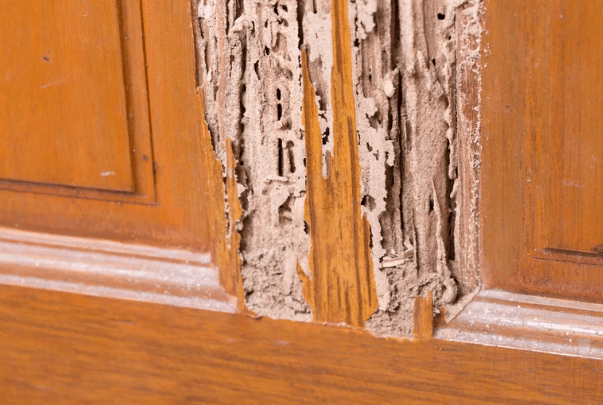
Office buildings rarely show obvious signs of a termite problem until the damage has already spread well beyond the surface. Unlike a single-family home, a commercial property often has long stretches of framing, storage areas, and utility spaces that go unnoticed for months at a time. Termites take advantage of exactly that kind of quiet, and by the time visible warping or hollow-sounding trim shows up, the underlying structure may already be compromised. For property managers overseeing office buildings in Irvine, understanding where to look and how often to check makes a real difference in avoiding costly repairs.
Where Termite Activity Tends to Start
Termites favor wood that stays undisturbed and slightly damp, which describes a surprising number of spots inside a typical office building. Wooden framing behind drywall, door frames near exterior entrances, and support beams in storage rooms all offer the kind of stable, low-traffic conditions termites prefer. Wall cavities, especially those near plumbing lines or exterior walls exposed to irrigation runoff, tend to hold moisture longer than open, ventilated areas. Utility rooms with pipes, water heaters, or HVAC equipment often see small leaks that go unreported for weeks, and that steady dampness is exactly what draws termites toward wood they would otherwise avoid.
None of these areas get much daily foot traffic in most office settings, which is part of the problem. A break room or a lobby gets noticed if something looks off, but a utility closet or a back storage room might not be opened more than once a month. That gap in attention gives an infestation plenty of time to establish itself before anyone realizes something is wrong.
Why Door Frames and Framing Deserve Routine Checks
Door frames take on a role that’s easy to overlook: they’re wood, they’re load-bearing to some degree, and they sit at points where moisture from foot traffic, rain intrusion, or condensation tends to collect. A frame that feels slightly soft or a door that suddenly sticks can be an early signal worth investigating rather than dismissing as normal settling. Framing behind walls presents a tougher challenge, since there’s often no visible cue at all until damage has progressed enough to affect drywall or flooring above it.
This is part of why a periodic professional inspection matters more for commercial buildings than a quick visual walk-through by staff. A property manager working with a company such as Irvine Pest Control can have these less visible structural points checked on a regular schedule, using methods that go beyond what’s obvious to the naked eye. Catching early signs in framing or door assemblies before they spread into adjoining walls tends to keep repair costs contained to a manageable scope.
Storage Rooms, Wall Cavities, and Utility Areas as Overlooked Risk Zones
Storage rooms deserve particular attention because they combine several conditions termites favor: low light, minimal disturbance, and often cardboard or wood shelving that sits directly against walls or flooring. Wall cavities near restrooms, kitchens, or utility closets carry similar risk due to plumbing runs that can develop slow leaks over time. Utility areas round out the list, since water heaters, sump pumps, and HVAC condensation lines all introduce moisture into spaces that are otherwise closed off from regular staff use.
A few practical habits help property managers keep these zones from becoming blind spots:
- Rotate storage room inspections into quarterly maintenance walk-throughs rather than leaving them off the schedule entirely.
- Check for water stains, warped baseboards, or a hollow sound when tapping on wood trim near utility fixtures.
- Keep boxes and shelving units a few inches off the floor and away from direct wall contact where possible.
- Note any recurring musty odors in storage or utility spaces, since persistent moisture often precedes visible termite activity.
- Flag any plumbing repairs or leaks for follow-up moisture checks in the weeks afterward, since drywall can mask ongoing dampness.
These steps don’t replace a professional inspection, but they do help staff notice small warning signs between scheduled visits, which can shorten the time between an early sign and an actual response.
Why Hidden Damage Still Affects the Business
One of the trickier aspects of commercial termite activity is that it can progress for a long time without disrupting daily operations at all. Employees keep working, clients keep visiting, and nothing about the occupied workspace looks unusual. Meanwhile, structural wood inside walls or beneath flooring can be losing integrity in ways that only become obvious once repairs are already extensive. That disconnect between what’s visible and what’s actually happening inside the structure is precisely why relying on visible signs alone tends to fall short for larger properties.
Bringing in a company like Irvine Pest Control for a scheduled inspection closes that gap, since trained technicians know how to check framing, wall cavities, and moisture-prone areas using tools and techniques that go beyond a casual look around the building. For a property manager balancing lease obligations, tenant relationships, and building maintenance, an inspection that catches a developing issue early is far easier to manage than an emergency repair that interrupts business operations.
Scheduling Inspections and Documenting Findings
Most commercial properties benefit from an annual termite inspection at minimum, with more frequent checks recommended for buildings with a known moisture issue, older construction, or a history of past activity. Setting this on a recurring calendar, rather than waiting for a tenant complaint or a visible sign of damage, keeps the process proactive instead of reactive.
Documentation matters just as much as the inspection itself. Keeping records of past findings, repairs, and moisture issues gives both the property manager and any pest control provider a clearer picture of how a building’s risk has changed over time. This kind of record also proves useful during lease renewals, insurance discussions, or when preparing a property for sale, since it demonstrates a consistent maintenance history rather than a reactive one. Addressing moisture problems promptly, whether that means fixing a slow leak or improving drainage near a foundation, removes one of the main conditions that draws termites toward a building in the first place.
Key Takeaways
Termite activity in office buildings tends to hide in the places people check least often: framing behind walls, door frames, storage rooms, and utility areas where moisture quietly accumulates. Because occupied workspaces can look completely normal while damage develops elsewhere in the structure, routine professional inspections carry more weight for commercial properties than casual visual checks ever could. Property managers who schedule regular inspections, document findings consistently, and address moisture issues as soon as they appear put themselves in a much stronger position to catch problems while they’re still small and manageable.