
For any business weighing an office lease or purchase, the roof rarely makes the shortlist of questions. Yet it quietly drives comfort, utility bills, and long-term value. A tired roof can turn a good deal into a costly one.
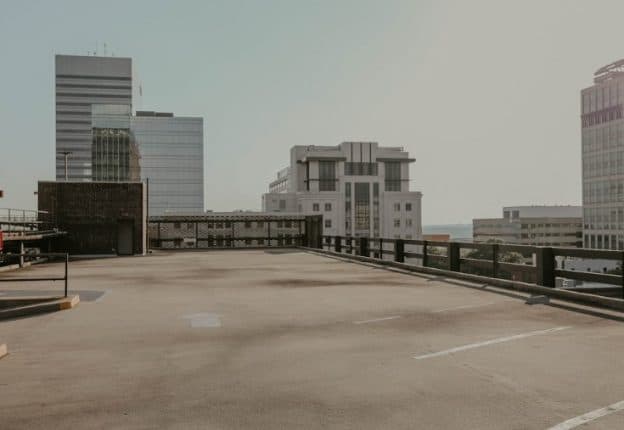
Alt text: Flat commercial office building rooftop with metal HVAC units under a clear sky
In a hot state like Texas, that overhead layer works hard every month of the year. Before you sign, it helps to know how roof condition shapes operating costs, and a specialist like Tx roofing project can assess what a building actually needs. A short inspection now can prevent big bills later.
Why Does the Roof Shape an Office Building’s Value?
The roof is the largest exposed surface on most commercial buildings. Appraisers and buyers price in its remaining useful life, meaning the years left before a full replacement. A newer roof supports a higher valuation.
The reverse is also true. A membrane near the end of its service life signals a looming five- or six-figure expense. That future cost gets subtracted from what a tenant will pay in rent or a buyer will offer.
Condition affects daily economics too. A sound roof keeps conditioned air inside and water out. A worn one leaks heat, invites mold, and disrupts the workday when a storm hits. Those problems show up in energy bills and tenant complaints long before a sale.
What Should You Check Before Leasing Office Space?
Ask for roof records the same way you would ask for tax documents. A direct paper trail tells you how much life and risk you are taking on. Work through this list before you commit:
- Confirm the roof age and the original installation date.
- Ask which membrane type covers the building, such as TPO, EPDM, or modified bitumen.
- Request the last 3 inspection reports and any repair invoices.
- Look for ponding water, blisters, or open seams during a walk-through.
- Check that drains, scuppers, and gutters are clear and draining.
- Verify whether a manufacturer warranty is still active and transferable.
These 6 questions take an afternoon and cost nothing. The answers reveal whether you inherit a reliable roof or a countdown to replacement. For a deeper look at how systems age, this guide to commercial roof lifespan breaks down what each material can deliver.
How Do Roof Choices Affect Energy and Operating Costs?
Roofing material decides how much heat a building absorbs. In Texas, a dark surface can reach 150 degrees on a summer afternoon. That heat pushes straight into the top floor and forces air conditioners to run harder.
A cool roof reverses the effect. A cool roof uses reflective coatings or light-colored membranes to bounce sunlight away. A reflective surface can stay more than 50 degrees cooler than a standard dark roof, which trims the cooling load.
Planted roofs go a step further on some buildings. According to the U.S. General Services Administration, green roof systems can last twice as long as conventional roofs and cut stormwater runoff by up to 65 percent. Both features lower long-run costs. Comparing your roofing material options early helps match the surface to the local climate.
Which Commercial Roof Problems Cost the Most?
Small defects on a flat roof grow fast when they are ignored. A few recurring issues drive the biggest repair bills for office buildings:
- Ponding water: Standing pools after rain add weight and break down the membrane over 20 to 30 years faster than designed.
- Failed flashing: Loose metal at edges and curbs lets water reach the insulation, the priciest layer to replace.
- Clogged drains: Blocked scuppers back up water that then finds every weak seam.
- Blisters and splits: Trapped moisture forms bubbles that crack open under heat and foot traffic.
- Hail and wind damage: Texas storms bruise membranes and tear panels, often out of sight until a leak appears.
Catching these early is far cheaper than a tear-off. A patch might run a few hundred dollars, while a delayed leak can ruin ceilings, wiring, and inventory below.
How Does Texas Weather Change Roof Planning?
Texas roofs face heat, strong sun, hail, and high wind in the same year. That mix ages materials faster than a milder climate would. Planning has to account for storm season, not just daily wear.
Coastal buildings carry an extra layer of rules. The Texas Department of Insurance enforces windstorm inspection rules across 14 coastal counties, and structures need a certificate of compliance to qualify for windstorm coverage. Skipping that step can block an insurance claim after a storm.
Storm damage restoration matters inland too. A fast, documented response after hail protects both the building and any claim you file. Owners who schedule a check after every major storm tend to spend less across a roof’s full life.
What Business Tenants Should Keep In Mind
- Treat the roof as a value factor, not an afterthought, when you tour a space.
- Ask for the roof age, membrane type, and last 3 inspection reports up front.
- Match reflective or cool surfaces to the Texas heat to trim cooling bills.
- Watch for ponding water, failed flashing, and clogged drains during walk-throughs.
- Confirm windstorm compliance if the building sits in a coastal county.
- Book a professional check after every major hailstorm to catch hidden damage.
Putting Roof Health On Your Checklist
A commercial roof shapes rent, energy costs, and the resale value of an office building. In Texas, heat and storms make that overhead layer even more decisive. Add a roof review to your due diligence, and let a qualified contractor confirm what the numbers really mean.
Frequently Asked Questions
How long does a commercial roof usually last in Texas?
Most flat commercial roofs last 20 to 30 years, though heat and hail can shorten that range. Modified bitumen and metal often reach the higher end with care. Regular inspections help a roof meet its full design life.
Who pays for roof repairs on a leased office building?
It depends on the lease type. Triple-net leases often push repair costs to the tenant, while gross leases usually keep them with the owner. Always read the maintenance clause before signing.
Is a cool roof worth the cost for an office building?
For most Texas buildings, yes. A reflective surface can stay more than 50 degrees cooler and lower cooling bills during long summers. Cool coatings often cost little more than standard materials at replacement time.
How often should a commercial roof be inspected?
Plan for a professional inspection at least twice a year, ideally in spring and fall. Add an extra check after any major hail or windstorm. Documented visits also support faster insurance claims.
