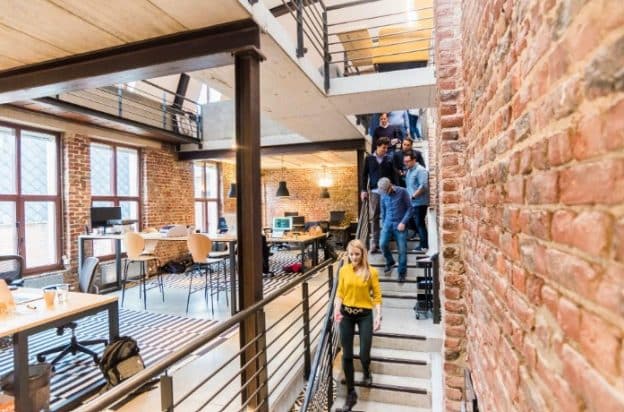
The modern workplace has undergone a significant transformation over the past several years. While office design once focused primarily on maximizing capacity and operational efficiency, today’s employers are rethinking how physical spaces influence productivity, collaboration, employee satisfaction, and retention.
As workforce expectations continue to evolve, companies are increasingly viewing office environments as strategic assets rather than simple places where work gets done. The result is a growing emphasis on creating spaces that support a wider range of activities, preferences, and working styles.
Employees Expect More Than Rows of Desks
Traditional office layouts often prioritized uniformity. Large open areas filled with desks allowed companies to accommodate growing teams while maintaining efficient use of space. However, many organizations have discovered that a one-size-fits-all approach does not necessarily support the way employees work today.
Modern teams frequently move between focused individual work, collaborative projects, virtual meetings, and informal discussions throughout the day. As a result, office design is increasingly centered around providing a variety of environments that accommodate different tasks.
This shift has encouraged companies to incorporate private workspaces, meeting areas, collaboration zones, and dedicated wellness spaces within a single office. In some cases, organizations evaluating long-term workplace improvements may assess amenities ranging from relaxation rooms to larger wellness installations such as a 6 person sauna when planning facilities intended to support employee comfort and overall workplace experience.
Flexibility Has Become a Core Design Principle
The growth of hybrid and flexible work arrangements has changed how businesses think about office utilization. Rather than assigning every employee a permanent desk, many organizations are creating adaptable spaces that can serve multiple functions throughout the day.
Movable furniture, modular meeting areas, and multi-purpose rooms allow companies to respond more effectively to changing workforce needs. A space used for team collaboration in the morning may host client meetings in the afternoon and training sessions later in the week.
For property owners and developers, this evolution creates new considerations when designing or renovating commercial buildings. Flexible layouts can make office spaces more attractive to a broader range of tenants while helping businesses maximize long-term usability.
Workplace Wellness Is Influencing Real Estate Decisions
Employee well-being has become an increasingly important factor in workplace planning. Organizations have recognized that the physical environment can affect concentration, stress levels, job satisfaction, and overall performance.
As a result, office design now frequently incorporates elements intended to improve comfort and support healthier work routines. Natural lighting, improved ventilation, outdoor access, quiet zones, fitness facilities, and dedicated recovery spaces are becoming more common considerations during workplace planning.
These features are not simply aesthetic additions. They often reflect broader efforts to create environments where employees can perform effectively while maintaining a healthier balance throughout the workday. For commercial property stakeholders, wellness-oriented design can also contribute to stronger tenant appeal and long-term occupancy potential.
Collaboration Spaces Are Replacing Underused Areas
One of the most noticeable changes in office design is the shift away from large quantities of individual workstations toward more collaborative environments. As remote work has become more common, many employees now come to the office specifically for activities that benefit from in-person interaction.
This has increased demand for meeting spaces, project rooms, informal gathering areas, and flexible collaboration zones. Companies are redesigning offices to support brainstorming sessions, team discussions, client presentations, and relationship-building activities that are often more effective face-to-face.
Instead of measuring success by the number of desks on a floor plan, organizations are increasingly evaluating how effectively a space supports communication, creativity, and teamwork.
The Office Is Becoming a Destination Rather Than a Requirement
Perhaps the most significant shift is philosophical. In the past, employees often came to the office because they had no practical alternative. Today, many professionals can perform at least part of their work remotely.
This reality has encouraged organizations to rethink the role of the workplace itself. Rather than functioning solely as a location where tasks are completed, the office is increasingly designed to provide experiences and resources that employees cannot easily replicate at home.
Companies that successfully adapt to these changing expectations often create workplaces that support productivity while also fostering collaboration, learning, well-being, and company culture. As workforce priorities continue to evolve, office design will likely remain an important factor in attracting talent, retaining employees, and maximizing the value of commercial real estate assets.