Finding the right commercial property involves far more than evaluating location, square footage, and purchase price. Many buyers focus heavily on acquisition costs while underestimating the long-term expenses associated with maintaining the property. Over time, ongoing upkeep can significantly affect profitability, making maintenance requirements just as important as the initial investment.
The most attractive property on paper is not always the most practical choice in reality. Buildings that require constant repairs, intensive cleaning, or frequent upgrades can consume time and resources that would be better invested elsewhere. Understanding what drives maintenance costs can help buyers make more informed decisions before committing to a property.
Look Beyond the Purchase Price
A lower purchase price can be appealing, but it does not necessarily translate into lower ownership costs. Older properties, neglected facilities, or buildings with outdated systems often require substantial maintenance after acquisition.
Before purchasing, it is important to evaluate roofing, plumbing, electrical systems, HVAC equipment, parking areas, and exterior surfaces. Deferred maintenance frequently becomes the responsibility of the new owner, turning what appeared to be a bargain into an expensive project. Buyers who focus exclusively on the purchase price may overlook costs that emerge shortly after closing.
A property’s true cost is determined not only by what it costs to buy but also by what it costs to operate and maintain over time.
Exterior Maintenance Matters More Than Many Buyers Expect
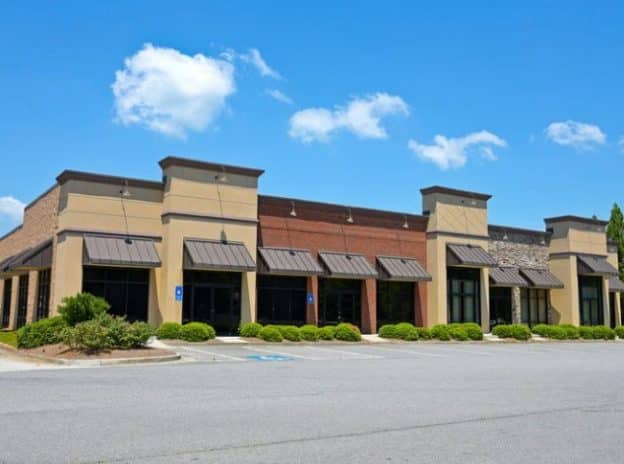
The exterior of a commercial property often creates the first impression for customers, tenants, and visitors. Unfortunately, it is also one of the areas where maintenance expenses can accumulate quickly.
Parking lots, sidewalks, loading areas, building facades, dumpsters, and service zones require ongoing attention to remain presentable and functional. Properties designed with maintenance in mind often prove easier and less expensive to manage. Many facility operators rely on cleaning equipment and maintenance solutions from hotsysouthtexas.com when managing large commercial properties, industrial facilities, transportation operations, and other sites where regular exterior cleaning plays an important role. Commercial cleaning equipment and maintenance solutions remain an important part of facility management across numerous industries.
The easier a property is to clean and maintain, the lower the long-term burden on ownership.
Evaluate Building Systems Carefully
Mechanical systems often represent some of the largest maintenance expenses associated with commercial ownership. Heating, cooling, ventilation, plumbing, and electrical infrastructure all require periodic servicing and eventual replacement.
A thorough inspection can reveal whether major upgrades are likely to be needed in the near future. Newer systems typically offer improved efficiency and lower maintenance requirements, while aging infrastructure may create ongoing repair costs and operational disruptions.
Understanding the condition of these systems before purchasing helps prevent unpleasant surprises after the transaction is complete.
Consider How the Property Will Age
Some properties look impressive when first viewed but become increasingly expensive to maintain as time passes. Complex architectural features, specialized materials, extensive landscaping, and unique design elements can all increase upkeep requirements.
This does not mean buyers should avoid distinctive properties. However, they should understand the long-term implications of maintaining those features. Simpler designs often provide advantages because repairs are easier, replacement parts are more accessible, and maintenance procedures are generally less complicated.
A property that ages gracefully can often provide better long-term value than one that requires constant attention.
Assess Operational Efficiency
Maintenance costs are not limited to repairs. Day-to-day operations also influence how expensive a property becomes to own.
Storage areas, service access, waste management, parking layouts, and traffic flow can all affect maintenance efficiency. Properties designed for practical operation tend to require less labor and fewer resources to keep in good condition. Small design advantages may seem insignificant initially but can create meaningful savings over years of ownership.
Evaluating how a property functions on a daily basis can be just as important as evaluating its appearance.
The Best Properties Are Often the Easiest to Maintain
Successful commercial property ownership is not simply about acquiring an attractive building. It is about selecting an asset that can support business objectives without creating unnecessary maintenance burdens. Properties with manageable exterior surfaces, reliable building systems, practical layouts, and lower long-term upkeep requirements often prove more valuable than properties that merely look impressive during the initial tour.
By evaluating maintenance demands before purchasing, buyers place themselves in a stronger position to control operating expenses and preserve profitability over the long term. A commercial property should support business growth, not become a constant source of maintenance challenges.