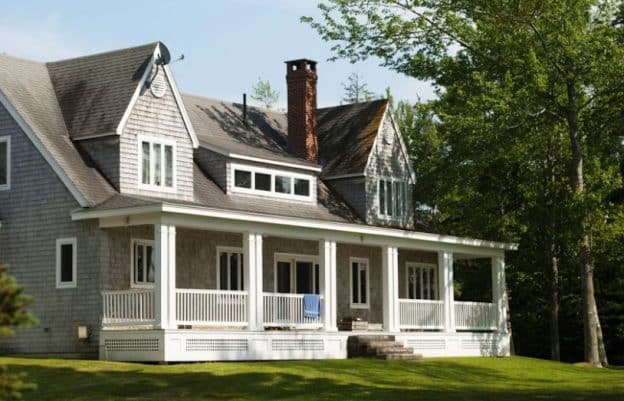
Older buildings have a big problem.
Younger tenants are looking for spaces that are brand new, functional and check all the boxes in terms of energy codes. Older buildings, however, tend to lack in all of these areas.
But here’s the thing…
Don’t have to demolish to compete. Proper refurbishment priorities can make an older building tenants’ choice.
Actually refurbishment is hot right now. Commercial Property Remodelling says non-housing repair work grew 15.1% in the 2 years through 2024. Lots of landlords rolling up their sleeves.
This article will focus on bathroom renovations that make a difference. And where to begin if funds are low.
Let’s jump in!
What’s inside:
- Why refurbishment matters more than ever
- The refurbishment priorities that attract modern tenants
- How to plan your upgrades without wasting money
Why Refurbishment Matters More Than Ever
Modern tenants have options. Lots of them.
They won’t come if your building is old-fashioned or doesn’t meet energy criteria. Period. Here’s the evidence. Around three-quarters of commercial buildings in England have an EPC rating of C or less. Meaning older buildings are already behind.
Here’s the good news though…
You don’t need to tackle everything at once. Renters only see/feel certain things. Spend your money there first.
Start With The Floors
Floors are the first thing tenants see when they walk in.
Flooring also takes up the most square footage of your building. Therefore, the floor you choose will set the tone for the entire space. Choose wrong and your building will feel cheap. Choose right and everything else will seem higher end.
Here’s why rustic wood flooring works so well in older buildings:
- It suits the character of the property
- It ages beautifully over time
- It works with modern and traditional interiors
- It looks nothing like the vinyl every other landlord uses
Using reclaimed woods such as rustic floorboards can add character to an old building that new rivals will struggle to beat. They have history that a new floor from a factory just doesn’t.
And that story helps you stand out in a crowded market.
Remember: No matter what floorcovering you choose, be sure it is durable. Today’s renters demand surfaces that will stand up for years and not appear weary.
Fix The Energy Rating
This one isn’t optional anymore.
By 2030 the UK Government plans for privately rented non-domestic buildings to achieve EPC B. This is a significant improvement on the position that many older properties find themselves at currently. Pretending it won’t happen is not a strategy.
Focus your energy on:
- Better insulation
- LED lighting throughout
- Modern heating systems
- Draught-proofing on doors and windows
Upgrade bills can range from £15k to £80k per property. Clearly not cheap. But what’s the alternative? An asset you can’t legally let. Not such a great result.
Get it done early. The buildings that get their energy rating completed first will attract the best tenants.
Bring In More Natural Light
Modern tenants love natural light.
Vintage spaces often possess beautiful bones – high ceilings, expansive windows – yet the light is obstructed by dusty blinds, grimy glazing or awkward layouts. Open that up and it transforms the entire space.
Simple wins here:
- Clean and repair existing windows
- Replace old glazing with modern double or triple glazing
- Remove heavy blinds and add light-filtering options
- Use lighter paint colours on the walls
Natural light will also save you money on energy bills. Double score!
Extra points if you bust through a wall to reveal a darker area. Architecture fail. Sometimes.
Modernise The Bathrooms And Kitchens
This is where a lot of older buildings really let themselves down.
Tenants can overlook a paint-splattered exterior. They won’t forgive dingy bathrooms. Or kitchens with warped cabinets and atrocious lighting.
If you renovate these rooms, opt for simple layouts, quality taps/fixtures, ample storage, brighter lighting and updated flooring. You don’t have to spend lavishly. But you do have to make them feel modern.
Neutral colours are timeless. Stay away from trendy tiles or splashy cabinet colours that will look dated in two years’ time.
Don’t Skip The Entrance
The entrance sets the tone for everything else.
Walkability matters. If renters have to traverse a grungy hallway just to get to their front door, they won’t love the place. First impressions count.
Simple entrance upgrades include:
- Fresh paint
- Better lighting
- New signage
- Updated door hardware
- A proper doormat and mailbox area
None of these things cost a lot of money. But they have a massive impact. Honestly it’s one of the cheapest wins you can make across the entire refurb.
Add Wellness Features
This is a newer trend but it matters.
Current tenants (particularly in commercial buildings) expect wellness amenities to be built right into the building. This includes ample ventilation, outdoor space, breakout spaces/common areas and modern sound proofing.
Fit outs aren’t always compatible with older buildings. However, having these assets installed as part of a refurbishment can set you apart from rival properties. Combine this with the fact that circa 48% of businesses in the UK now demand full occupancy in 2025, and it’s clear commercial demand will continue to rise.
Even small touches help. Think plants, natural materials and quiet zones for focused work.
Plan Your Refurbishment Order
Not every priority is equal. And you don’t have unlimited money.
Begin with what tenants see first. Carpets, entryway, bathrooms and kitchens. Move onto the heavy lifting like energy upgrades and structural improvements. This way you can be renting out the updated spaces (and earning money) while continuing to work.
A rough priority order looks like this:
- First: floors, paint, entrance
- Second: bathrooms and kitchens
- Third: windows and lighting
- Fourth: insulation and heating systems
Follow this and your building will start looking (and performing) better fast.
Bringing It Together
Refurbishing an older building isn’t easy work. But it’s absolutely worth doing.
Today’s occupiers are looking for offices that feel modern, function effectively and comply with current build standards. Older buildings can – and do – meet all of these demands – but it’s important to concentrate on key areas of refurbishment. So, to summarise:
- Start with what tenants see first (floors, entrance)
- Fix the energy rating before deadlines force you to
- Bring bathrooms and kitchens up to modern standards
- Improve natural light and add wellness features
- Plan your refurbishment in a smart order
Here are 5 easy tips to make your older property stand out from other listings (new builds included!). All it takes is some planning and patience.