Nowadays, workplace safety is considered a priority task, rather than one that could be treated merely formally. Any organization, regardless of whether it operates in a traditional office environment, co-working space, or industrial area, is expected to provide safe and comfortable conditions for its employees. In light of the modern business reality, where many organizations rethink the ways of work and their environment, safety gear is becoming one of the central priorities to ensure the overall well-being of their personnel.
The modern working environment includes a variety of characteristics, which make it unique. The emergence of a mixed physical and digital workplace, the growing popularity of hybrid team arrangements, as well as various innovative technologies and equipment applied in practice – all these features contribute to an entirely new picture of a modern workplace. Therefore, the issue of safety is becoming increasingly important. It is worth mentioning that nowadays, safety gear should cover a wide range of workplaces.
Understanding the Risks in Modern Workplaces
First of all, when choosing safety gear, it is important to know what types of risks could appear in a modern workplace. Naturally, these risks vary depending on the sphere of business activity. Nevertheless, they could be divided into several categories: physical hazards, ergonomic problems, environmental factors, and psychological stressors.
While office-based businesses face less risk of physical injuries, ergonomic problems remain one of the biggest concerns for many organizations. In particular, the issues related to prolonged sitting, poor posture, and insufficient lighting could cause numerous health disorders for employees. On the other hand, businesses operating in workshops, warehouses, or shared industrial facilities should consider such risks as falling objects or sharp materials, loud noise, and overheating.
Modern businesses tend to use flexible office arrangements, which makes them think about additional safety measures. Thus, shared workspaces and multipurpose facilities require special types of equipment and safety protocols.
Personal Protective Equipment (PPE)
Among the various safety gear, there is one that is undoubtedly one of the most important components. The Personal Protective Equipment (PPE) acts as a final barrier from the hazards that cannot be addressed in other ways.
Some of the necessary pieces of equipment could include:
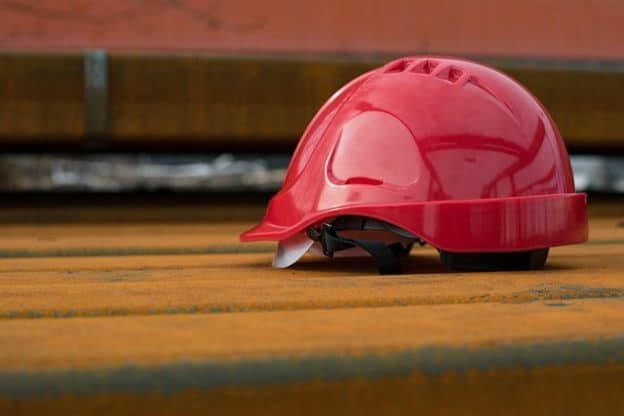
- Protective helmets and hard hats for safeguarding against head injuries in environments where overhead hazards could occur
- Safety glasses and face shields would prevent an accident in cases when there is a risk of flying objects, harmful dust, chemicals, or sparks.
- Special Gloves, which would allow for the safe performance of tasks requiring the use of sharp materials
- High-visibility clothing to see other people and avoid possible collisions in busy and poorly lit premises
- Respirators or respirator masks, in case of breathing in dangerous dust or fumes
There are specific types of gear necessary in industries requiring fabrication and construction. For example, when working with welding, workers need high-quality safety gear, such as the Pipeliner Welding Helmets, to protect their eyes and face from heat, sparks, and harsh light.
Environmental and Ergonomic Equipment for the Office
Though it may sound strange, the office environment requires special safety equipment too. With the increasing number of ergonomics-related injuries and diseases, modern office workplaces require appropriate equipment.
Such equipment includes, but is not limited to:
- Adjustable office chair to maintain a proper posture
- Sit-to-stand desks to minimize health risks related to prolonged sitting
- Monitor stands to avoid straining neck muscles
- Special keyboard and mouse design to relieve wrist and hand muscle strain
- Proper lighting, which would not hurt the eyes of the employees
Thus, when selecting office premises on OfficeFinder, it might be necessary to pay attention to ergonomic aspects.
Environmental and Technology-Driven Solutions
Apart from traditional types of safety gear, there are several innovative ways of ensuring safety in the workplace. The first step in this direction is the monitoring of the environment using special equipment. Air quality monitors allow tracking pollutants, temperature, and humidity in the premises and make sure that they are at the appropriate level. It is especially relevant for enclosed offices, where air circulation is difficult.
Also, there are various types of monitoring equipment that allow measuring such risks as noise level in premises or any fire threats. In the latter case, devices such as a fire detector, extinguishers, and other equipment could assist during an emergency situation.
Innovative Ways to Improve Workplace Safety
Apart from traditional and innovative ways to improve workplace safety, there are other means that could be used for this purpose. One should note that modern technological development allows for making workplaces safer and more efficient.
Wearable devices are among the examples of such solutions. In particular, they could monitor employees’ heart rate, body position, or temperature, thus allowing for the detection of health-related issues and taking preventive measures. In addition, some of these gadgets could indicate a precise location of the employee in the facility.
Another example includes helmets and goggles with integrated cameras and sensors, which record and provide information regarding the condition of the workplace. Apart from this, special software could process the data received by these devices to identify the risks of any sort and develop prevention strategies. Also, some safety equipment, such as a fire extinguisher, could integrate a special app, which would inform the worker about the need for the replacement or inspection of the equipment.
Creating A Culture Of Workplace Safety
All aforementioned types of equipment are extremely important for enhancing workplace safety. However, all measures taken in terms of safety could be effective in case they are supported by a proper corporate culture of safety awareness. Such an attitude implies the following aspects:
Proper education helps employees learn the rules of using safety equipment and recognizing risks in the workplace. Moreover, this measure includes training drills.
Support and encouragement of management in terms of investing in necessary equipment and creating safe conditions for employees
Effective communication in relation to workplace safety. Thus, safety guidelines and manuals should be provided in sufficient amounts, and employees should know whom to contact in case of any concerns.
Adaptation of safety gear to Flexible Workplaces
Now, safety gear should cover a range of environments and conditions. In particular, businesses that operate in co-working spaces or provide hybrid workplaces should consider purchasing such safety gear as:
- Portable ergonomic equipment that could be used in any premises.
- Instructions on how to create a safe working environment in one’s home office
- A list of necessary safety gear that is recommended in the office space
When choosing office premises on OfficeFinder, it is recommended to evaluate such aspects as the security level of the building, availability of fire detection and extinguishing systems, and others.
Why Should One Invest in Safety Gear?
Overall, despite its initial cost, purchasing workplace safety gear should be considered as a business decision rather than an expense. Indeed, it helps to create safe working conditions for the personnel and reduce the number of emergencies and injuries. Besides, a safety-aware culture will positively impact the business image of the organization and attract more clients.
Conclusion
As can be seen, workplace safety requires a comprehensive approach. Notwithstanding the sphere and type of activity of a business, safety equipment is becoming increasingly important. In particular, one should consider using Personal Protective Equipment (PPE), environmental equipment, and technological innovations. Finally, it might be necessary to adapt such safety equipment to hybrid workplaces.