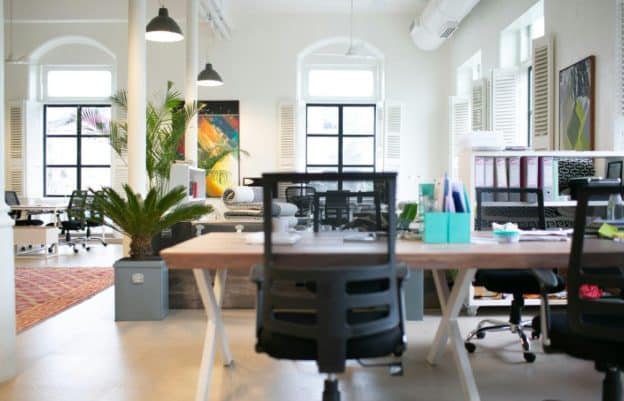
Office maintenance is often treated as a background function, something necessary but not central to business success. In reality, the condition of a workplace directly influences how employees perform, how efficiently teams operate, and how consistently business outcomes are achieved. Cleanliness, organization, and overall maintenance create an environment that either supports or hinders productivity on a daily basis.
As companies invest heavily in tools, systems, and talent, the physical workspace remains one of the most overlooked performance factors. Employees spend a significant portion of their time in these environments, and even small inefficiencies, clutter, poor hygiene, or disorganization, can compound over time. A well-maintained office, on the other hand, creates the conditions for focus, reliability, and sustained performance.
Clean Workspaces Improve Focus and Output
A clean and organized office reduces distractions and allows employees to concentrate more effectively on their tasks. Visual clutter, dust, and disorganization compete for attention, making it harder to maintain focus throughout the workday.
Research shows that employees working in clean environments demonstrate higher levels of concentration and efficiency, with measurable improvements in productivity compared to poorly maintained spaces.
Maintaining this level of consistency often involves support from a reliable office cleaning company, ensuring that workspaces remain organized and hygienic without disrupting daily operations.
When workspaces are structured and free from unnecessary distractions, employees can allocate more mental energy to their responsibilities, leading to better output and fewer errors.
Healthier Environments Reduce Disruptions
Office maintenance plays a critical role in employee health. Shared surfaces, equipment, and common areas can quickly become sources of bacteria and viruses if not properly cleaned.
Maintaining hygiene standards reduces the spread of illness, which directly impacts attendance and workflow continuity. Clean environments have been shown to reduce absenteeism by limiting exposure to germs and improving overall workplace health.
Fewer sick days mean fewer disruptions to projects and more consistent team performance, which is essential for maintaining efficiency over time.
Organization Drives Operational Efficiency
Photo by Annie Spratt on Unsplash
Efficiency is closely tied to how well a workspace is organized. When employees can easily access tools, documents, and resources, tasks are completed more quickly and with fewer interruptions.
Disorganized environments create friction, time is lost searching for materials, workflows become inconsistent, and collaboration can suffer. In contrast, well-maintained offices support smoother operations and clearer processes.
Businesses that prioritize structured environments often see improvements in workflow consistency, as employees can focus on execution rather than navigating unnecessary obstacles.
Employee Morale and Workplace Perception
The condition of an office sends a strong message to employees. Clean, well-maintained environments signal that a company values its workforce and takes pride in its operations.
Studies show that employees are more motivated and engaged when they work in clean and organized spaces, with higher satisfaction levels linked to better workplace conditions.
This sense of value and comfort contributes to stronger morale, which in turn supports better performance, collaboration, and long-term retention.
Professional Standards and Business Image
Office maintenance also affects how a business is perceived externally. Clients, partners, and visitors often form immediate impressions based on the condition of a workspace.
A clean and organized office reflects professionalism, reliability, and attention to detail. It communicates that the business operates with discipline and care, qualities that are essential for building trust.
Maintaining these standards consistently ensures that every interaction reinforces a positive and credible business image.
Long-Term Impact on Business Performance
The effects of office maintenance are not limited to daily productivity, they influence long-term business performance. Clean and organized environments support sustained efficiency, reduce operational disruptions, and contribute to a healthier workforce.
Over time, these factors translate into measurable outcomes, including improved productivity, reduced costs associated with absenteeism, and stronger employee retention. Research also indicates that workplace conditions significantly influence employee behavior and overall productivity, reinforcing the importance of maintaining high standards.
Organizations such as the International Facility Management Association emphasize that workplace environments have a measurable impact on employee health, behavior, and productivity, highlighting the importance of maintaining spaces that support performance and well-being.