A tangible asset is something a business owner can see, touch, use, lease, store, improve, or sell. That alone makes it feel more concrete than a number on a screen. Office buildings, equipment, land, inventory, precious metals, and certain fixtures all fall into this broader category.
That doesn’t automatically make them safer. It just makes them easier to understand at first glance. A business owner can walk through an office suite, inspect a warehouse, or review the condition of machinery. There’s comfort in that. Real walls. Real doors. Real value, at least in theory.
But tangible assets still need clear thinking. They can cost money to maintain. They can lose value. They can sit unused. They can also tie up capital that might be needed elsewhere in the business. That’s where the real conversation begins.
Commercial Property Is Often the First Asset Business Owners Consider
For many business owners, office space is the tangible asset that feels most familiar. After years of leasing, the question naturally arises: should the business keep renting, or would owning an office make more sense?
It’s a fair question. Monthly rent can feel like money going out the door, especially when a business has stable revenue and long-term plans. Owning commercial office space may offer more control over layout, branding, improvements, and occupancy costs.
Still, ownership is not always the smarter move. A lease can give a company flexibility. That matters when the team is growing, shrinking, shifting to hybrid work, or testing a new market. A business that buys too early may end up with too much space, too little space, or the wrong location. Awkward. Expensive, too.
Liquidity Matters More Than Many Owners Expect
Tangible assets can look strong on paper, but they are not always easy to turn into cash. A business can’t sell half an office building overnight to cover payroll. It can’t quickly unload specialized equipment if only a small pool of buyers wants it.
This is where liquidity becomes important. Cash keeps a business moving. Tangible assets may support long-term value, but they can also slow things down when money is needed quickly.
A business owner reviewing asset options should think about timing. How long would it take to sell? What costs would come with the sale? Would the asset appeal to many buyers or only a niche group? These questions are not glamorous, but they matter. Especially when markets tighten.
Office Space Has a Practical Use Beyond Investment Value
Commercial property differs from many other tangible assets in that it can serve the business while also holding potential long-term value. A company can occupy the space, customize it, and build its day-to-day operations around it.
That practical use matters. An office is not just an asset on a balance sheet. It affects hiring, client meetings, staff productivity, brand perception, and commute patterns. A poorly chosen office can create friction every single day. A well-chosen one can quietly support the business for years.
This is why office decisions need more than a price comparison. A lower-cost building in the wrong location may end up costing more due to missed talent, longer travel times, or poor client access. Cheap space isn’t always cheap. Sometimes it’s just a problem with the carpet.
Diversification Still Has a Role
Business owners often hear about diversification in personal finance, but the same broad idea can apply to business planning. Allocating too much capital to a single asset class can create risk, even when that asset feels stable.
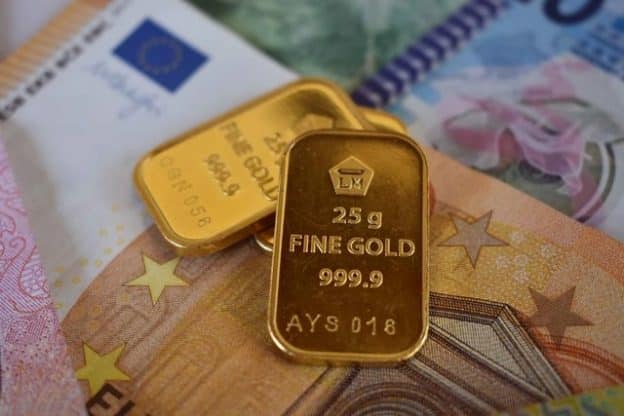
Some owners compare commercial property to other tangible assets, such as equipment, land, inventory, or precious metals. In Australia, for example, SMSF gold investments may come up in conversations about retirement structures and physical assets, though any such decision should be reviewed with a qualified professional who understands the local rules.
For a US business owner using OfficeFinder to evaluate commercial space, the key takeaway is not to chase every asset category. It’s to understand how each asset affects control, flexibility, cash flow, and long-term planning.
Costs Don’t Stop After the Purchase
One common mistake with tangible assets is focusing too heavily on the purchase price. The real cost usually comes later.
Commercial property can involve taxes, insurance, repairs, utilities, build-outs, compliance work, association fees, and professional services. Equipment may require maintenance, training, storage, and replacement parts. Inventory needs space and can become outdated. Even assets that appear passive often demand attention.
Office ownership is a good example. A business may gain control over its workplace, but it also takes on responsibilities that a landlord may have handled before. Roof issue? HVAC problem? Parking lot repair? Suddenly, those are business problems.
That doesn’t make ownership a bad idea. It just makes planning essential.
Location Can Shape the Asset’s Future Value
A tangible asset’s value often depends on where it sits, how useful it remains, and who might want it later. This is especially true for office property.
A building in a strong business district with good transportation access may hold appeal over time. A property in a weakening area may struggle, even if the building itself looks fine. Local demand matters. So do zoning rules, parking, nearby amenities, and the broader employment market.
For companies comparing office locations, local market knowledge is especially useful. Online listings can show square footage and asking rates, but they rarely explain the full story. Is the area gaining tenants or losing them? Are concessions common? Are landlords flexible? Those details can change the outcome.
Leasing Can Be a Strategic Choice, Not a Step Down
There’s a stubborn idea that owning is always more mature than leasing. Not true.
A lease can be the sharper choice for businesses that need flexibility, want to preserve cash, or expect their space needs to change. It can also reduce exposure to property maintenance and market risk. For some companies, that freedom is worth more than ownership.
The better question is not “Should the business own something?” It’s “What does the business need this asset to do?”
If the answer is stability, control, and long-term occupancy, ownership may deserve a closer look. If the answer is flexibility, speed, and lower responsibility, leasing may fit better.
Tangible Assets Need Business Context
Tangible asset investments are not automatically good or bad. They are tools. A useful tool in one business can become a burden in another.
Office space proves the point. The right office can support growth, improve operations, and give a company a stronger physical presence. The wrong one can drain cash and limit movement.
Business owners should look beyond the surface value of any tangible asset. What will it cost to hold? How easy is it to sell? Does it support the business now? Will it still make sense in five years?
That’s the practical test. Not flashy. Just useful.