A lot of people hear “we’ll handle the space problem later” and assume later will be easy. It rarely is. In real estate, the mess is usually built quietly: boxes stacked in the wrong place, records stored without a system, seasonal inventory left in a hallway, and a team that spends more time moving things around than using them.
That gap between polished planning language and day-to-day execution is where costs start to pile up. A storage decision that looks harmless on paper can create liability, interrupt continuity, and drain staff hours in ways nobody budgeted for. The hard part is not finding space. It is making sure the space actually works under pressure.
Small planning misses turn into operating drag
In real estate, storage is often treated as a background issue until it starts affecting service. Then the damage becomes visible. Files go missing. Turnovers slow down. Seasonal equipment gets buried. Access is awkward. Insurance questions get sharper. The cost is not just rent or square footage. It is the friction that spreads through the operation.
That matters because real estate businesses run on timing, trust, and repeatable processes. A weak storage plan can make a team look disorganized even when the underlying work is sound. It can also create compliance exposure when documents, equipment, or tenant property are handled without a clear chain of custody. Once that happens, the problem is no longer about space. It becomes an operational issue with a paper trail.
What good storage planning has to answer first
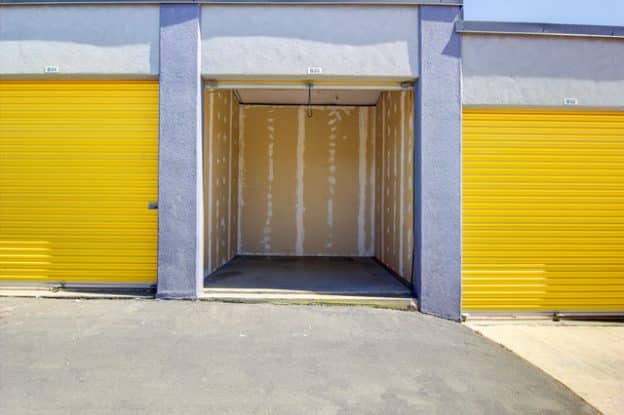
Before anyone starts comparing unit sizes or counting shelves, the real questions are more practical. What needs to stay accessible, what can be archived, and what creates risk if it sits untouched for months? In practice, this is where attention shifts toward companies like E Sunset Rd facility bays that can handle real usage without friction.
Access is a workflow issue, not a convenience issue:
A storage space that looks organized can still be a poor fit if staff have to fight for access. If the items are used often, location and loading flow matter as much as capacity. Drive-up access helps in some cases, but it is not a cure-all. Climate control is useful for sensitive inventory or records, yet it adds a cost that should be justified by the contents, not by habit.
The right setup depends on how often items move, who handles them, and whether the process needs to be fast on a weekday afternoon or once a quarter during a controlled retrieval.
Security and compliance should be built in early:
Businesses tend to think about security after a problem shows up. That is backwards. If the contents include confidential files, client records, expensive tools, or equipment tied to operations, the storage decision has to account for theft risk, access control, and documentation practices from the start.
A practical approach usually includes:
- Clear sign-in or access logs
- Defined responsibility for keys, codes, or approvals
- Regular checks so missing items are caught early
The biggest error is overestimating order:
The common mistake is believing that neat boxes equal a manageable system. They do not. Without labeling discipline, rotation rules, and someone accountable for upkeep, any storage area slowly becomes a catch-all. That is when operational drag starts. People stop trusting the system and start duplicating effort.
One nuance here: not every business needs a highly formal process. Smaller teams can stay flexible. But flexibility only works when everyone understands where things go and who owns the space.
A cleaner way to plan before the costs spread
Good storage planning is less about buying space and more about reducing surprises. The goal is simple: make retrieval predictable and keep the operation from wasting time on avoidable fixes.
- Sort items by frequency of use. Keep the things that move often closest to the work, and isolate long-term holdings so they do not interfere with daily operations.
- Assign one person or role to manage the system. Shared responsibility sounds efficient until nobody is clearly accountable for upkeep, access, or cleanup.
- Review the setup on a schedule. A quarterly check is often enough to catch broken labeling, overcrowding, or items that no longer belong there.
The real value is continuity
Storage decisions usually get framed as a cost-control question. That is only part of it. The better lens is continuity. When records are retrievable, equipment is protected, and the right materials are where they should be, the business can keep moving without improvising every week. That steadiness matters in real estate, where delays and confusion tend to show up in customer experience fast.
There is also a trust angle that gets overlooked. Teams notice when a company handles space well. So do tenants, vendors, and partners. A disorganized back end does not stay hidden for long. People may not see the storage plan, but they feel its effects.
Space is easy to buy. Control is harder.
The expensive mistakes usually do not come from a lack of space. They come from poor planning, loose ownership, and the assumption that storage will organize itself. In practice, the opposite is true. The more important the items are to the business, the more the storage setup needs structure.
That is the part that polished sales language skips. Real operations need clarity, not just capacity. When the system is simple, visible, and maintained, it protects time, reduces liability, and keeps the business from paying for the same problem twice.