Have you ever turned on a water system and expected everything to move in the right direction without even thinking about it?
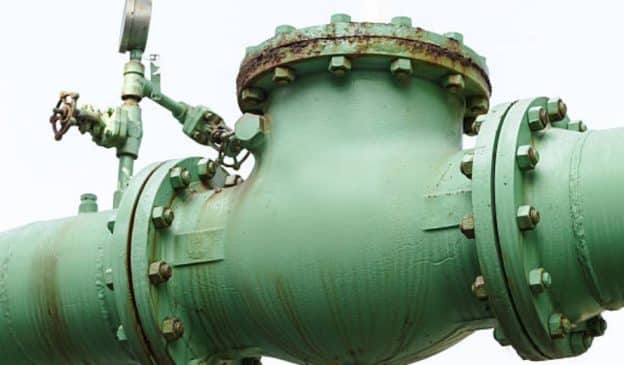
That smooth flow is often supported by one small part doing a very important job in the background: the check valve.
It may not be the first thing people talk about when discussing plumbing or industrial systems, but it plays a big role in keeping fluid movement clear, steady, and well-managed.
In both modern plumbing and industrial settings, check valves help systems work in a smart and efficient way. They support one-way flow, improve safety, help equipment work comfortably, and make daily operation feel more controlled.
What Check Valves Actually Do
Check valves have a simple purpose, and that is one reason they are so useful. They allow fluid to move in one direction and respond automatically as the flow changes.
That one action supports all kinds of systems, from household plumbing lines to larger process networks. Before looking at where they are used, it helps to understand the basic job they perform.
A Simple Part With A Clear Job
At its core, a check valve opens when fluid moves forward through the line. As the flow changes, the valve responds on its own and supports the intended direction of movement.
This helps the system stay organized and easy to manage.
A check valve can support:
- Steady one-way flow
- Smooth pump operation
- Cleaner control inside a pipeline
- Better coordination between connected parts
- Improved system safety during daily use
The nice thing is that all of this happens automatically inside the line.
Why Automatic Operation Matters
One of the most useful things about these valves is that they do not need constant human input. There is no need to keep turning a handle or adjusting a lever during normal operation.
The valve reacts to pressure and flow inside the pipe. That automatic response makes it a practical option in systems where consistent movement matters.
In simple terms, the process looks like this:
- Fluid begins moving through the line
- The internal part of the valve shifts open
- Flow continues in the intended direction
- The valve responds naturally as conditions change
That kind of built-in control supports both performance and safety across many setups.
Why They Matter In Plumbing Systems
In plumbing systems, flow direction matters every single day. Water needs to move smoothly through pipes, pumps, tanks, and supply lines in a clean and predictable way.
Check valves support that process quietly in the background. They help plumbing systems feel more stable and more dependable from one use to the next.
Supporting Smooth Water Movement
In modern plumbing, a well-placed valve helps the system keep a clear flow path. This can be useful in residential, commercial, and service-based water systems.
Common plumbing uses include:
- Water pump lines
- Irrigation setups
- Tank filling systems
- Supply lines
- Filtration units
In these situations, check valves help each section of the system work together in a practical and organized way while supporting consistent flow and safety.
A Good Fit For Everyday Plumbing Setups
Some plumbing systems benefit from lightweight valve materials that are easy to install and well-suited to water service. In those cases, a plastic check valve can be a very practical option.
This type is often appreciated for:
- Low weight
- Corrosion resistance
- Clean appearance
- Smooth use in suitable water systems
That makes it a useful choice in many modern plumbing applications where simple installation and steady performance are important.
Why They Matter In Industrial Systems
Industrial systems often move fluids through larger networks with pumps, tanks, control points, and process equipment. In these setups, even a small valve can have a meaningful effect on how the full line performs.
Check valves help support consistent fluid movement across these systems. They make it easier for different parts of the process to work together in a steady and efficient way.
Helping Equipment Work Together
In an industrial setup, many components depend on each other. Pumps, meters, treatment units, and transfer lines all work best when fluid moves in the right direction at the right time.
A check valve supports this by helping the line stay orderly and controlled.
This can be especially useful in:
- Water treatment systems
- Chemical transfer lines
- Cooling systems
- Processing plants
- Utility networks
When flow moves clearly through the line, the full system often feels easier to operate and monitor.
Supporting Practical Material Choices
Material selection matters just as much as valve style. In many industrial or light process applications, a pvc check valve is chosen for its corrosion resistance, smooth internal surface, and lightweight build.
It is often used in systems that benefit from:
- Clean fluid handling
- Easy installation
- Consistent internal flow path
- Practical connection with plastic piping
When the operating conditions match the valve material, the result is a tidy setup that supports both performance and improves system safety.
Key Benefits Of Using Check Valves
Once you look at how these valves work in real systems, their value becomes much easier to appreciate. They help with flow control in a way that feels simple, direct, and useful.
That is exactly why they remain an important part of modern system planning.
Everyday Benefits You Can Notice
A check valve supports both performance and ease of use. It helps keep fluid movement clear while also supporting the full piping layout.
Some of the main benefits include:
- Automatic one-way flow support
- Better coordination between pumps and lines
- Smooth operation across different system sizes
- Easy fit in both plumbing and industrial settings
- Reliable support for daily system safety
Even though the valve itself is small, its role is very meaningful.
Choosing The Right Check Valve
A good valve choice usually starts with a few simple questions:
- What kind of fluid is moving through the line?
- What pipe material is already in use?
- How much space is available?
- What pressure range will the valve see?
- Is the system part of plumbing, processing, or water transfer?
| Valve Option | Common Benefit | Typical Use |
| Standard check valve | One-way flow support | General plumbing and process lines |
| Plastic valve | Lightweight and corrosion-resistant | Water systems and light-duty lines |
| PVC valve | Smooth fit with plastic piping | Water handling and treatment setups |
Conclusion
Check valves are an important part of modern plumbing and industrial systems because they help fluid move in a clear, controlled direction. Their automatic action supports smooth operation, practical system layout, and steady day-to-day performance.
From household water lines to larger industrial networks, these valves make a real difference in how comfortably a system runs. Once you see how much they support behind the scenes, it becomes clear why they continue to be such a valuable part of modern fluid systems.