
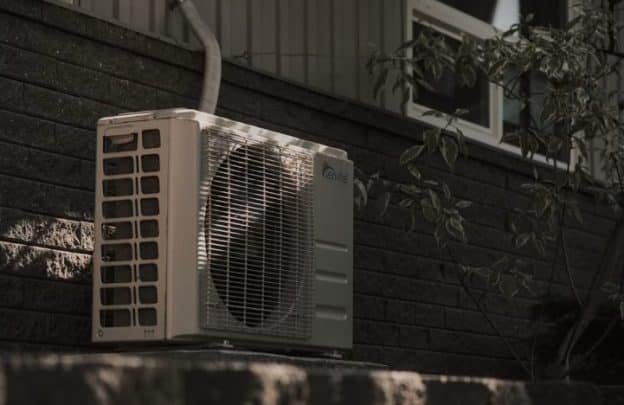
Indoor climate control shapes the daily experience of office workers in multiple settings. Many business owners overlook the direct way temperature management impacts regular daily output across their entire staff. A comfortable room environment changes how individuals approach their daily workflows.
Maintaining an optimal workplace temperature keeps teams focused on their primary administrative duties. Modern office buildings require a proper airflow setup to support better daily performance throughout the year.
Temperature Regulations Impact Office Focus
Stuffy rooms cause staff members to lose focus quickly during long afternoon work hours. Testing shows that microclimates inside commercial offices dictate how long people can work without feeling fatigued. Low air movement creates stagnant pockets where uncomfortable stuffiness grows during the average workday shift. Persistent temperature issues drag down employee engagement levels.
Commercial buildings need regular upkeep to maintain comfortable indoor spaces for employees. Managers can work with a locally owned heating company to audit their existing building infrastructure. Investing in newer climate systems provides a clear shift in daily operational output. Updated hardware maintains a reliable climate without constant manual monitoring.
Cooler air helps maintain mental alertness throughout long afternoon shifts on the floor. Employees avoid taking frequent breaks when their workspace feels comfortable and clean. Proper temperature adjustments keep focus levels steady from early morning until evening departure.
Clean Indoor Air Lowers Health Costs
Airborne particles circulate through old ductwork and affect the physical well-being of workers. Poor filtration systems let dust collect inside shared communal work zones and meeting spaces. Staff members notice throat irritation when breathing stale workplace air for consecutive hours. Unfiltered environments contribute to common workplace health issues.
A report by a federal environmental protection agency highlights the heavy financial toll of neglected indoor conditions. Statistics indicate that the economic costs tied to bad indoor air quality and lower work output range from $13.2 to $32.1 billion each year. These figures reveal how deep the problem reaches across modern businesses.
Upgrading filters removes common microscopic irritants before they reach desk spaces and cubicles. Clean air lowers short-term sick leave requests significantly among office departments. Teams feel better when their breathing environment stays fresh throughout the week. Clear air systems remove allergens that slow down daily concentration.
Financial Benefits of Better Ventilation
Fresh air distribution changes how people approach complex assignments under tight deadlines. Stale environments slow down standard cognitive processing during the typical business day. Upgrading ventilation mechanisms introduces a steady stream of healthy outdoor oxygen into the rooms. Active airflow prevents the sluggishness associated with closed building envelopes.
Data compiled by international public health researchers shows clear gains from modern building ventilation. Studies demonstrate a $6500 productivity gain per worker when management chooses to improve airflow systems. This massive return makes system replacement a highly practical corporate choice for stakeholders. Upgraded buildings protect profit margins through optimized personnel performance.
Higher investments in building air movement pay back remarkably short periods. Companies witness fewer costly errors on detailed technical reports and financial statements. Clear minds accomplish daily goals with far greater accuracy and speed.
Smart Thermostats Prevent Workplace Climate Battles
Office temperature arguments happen when different building zones lack separate temperature controls. One side of the floor feels freezing, while another section feels completely overheated. This constant climate shifting creates unnecessary friction between coworkers trying to complete tasks. Group dynamics suffer when environmental comfort remains unbalanced.
Modern multi-zone controllers allow precise climate adjustments across separate operational departments. Marketing teams can set their preferred climate without affecting accounting departments down the hall. Maintaining a balance helps eliminate daily distractions caused by constant comfort complaints. Proper settings eliminate the need for space heaters at individual desks.
Installing zoned smart controls offers several distinct advantages for building managers:
- Zone management cuts down on energy waste in empty conference rooms.
- Automated programming matches the system run time with actual corporate office hours.
- Digital tracking helps maintenance crews spot mechanical errors before systems fail completely.
Advanced Filtration Reduces Absenteeism
Seasonal health challenges spread rapidly through enclosed commercial properties with poor circulation. High-efficiency particulate air systems capture tiny particles that standard store filters miss entirely. Stopping these irritants keeps teams present during heavy seasonal office shifts. Protecting employee physical health keeps corporate output steady.
Fewer sick days translate directly into consistent project timelines for clients. Timelines stay on track when core staff members remain present at their desks. Reliability improves when health concerns disappear from the immediate office environment. Healthy teams face fewer disruptions during critical operating weeks.
Upgraded air handlers run quietly and purify the workspace air simultaneously. Silent operation removes irritating background noise that interrupts deep creative thinking. Quiet spaces allow workers to complete intense focus tasks without facing constant acoustic distractions.
Humidity Control Protects Comfort and Equipment
High moisture levels make indoor office spaces feel sticky and highly uncomfortable. Dry air causes skin irritation and throat discomfort during cold winter heating months. Balanced humidity keeps the office environment feeling natural throughout changing outdoor seasons. Proper regulation stops mold from developing in hidden building cavities.
Computers and local servers operate better when moisture stays within specific corporate parameters. Excess moisture damages sensitive electronic components and shortens machine lifespans over the years. Proper humidity management protects corporate hardware investments from premature mechanical failure. Climate stability keeps technology infrastructure running without unexpected downtime.
Stabilizing indoor moisture provides key operational perks for business facilities:
- Balanced humidity protects paper documents from absorbing moisture during storage.
- Steady moisture prevents wooden office furniture from warping or cracking.
- Controlled air feels lighter and more pleasant to breathe during long desk shifts.
Energy Savings Fund Operational Growth
Old heating units consume massive amounts of electricity every single month of operation. Heavy utility bills drain capital that companies could use for strategic expansion projects. New systems optimize energy use by employing modern variable-speed fan motors. Smart energy usage reduces the strain on regional grid networks.
Lower utility expenses improve monthly cash flow sheets instantly for small operations. Savings provide extra room in the corporate budget for updated technology tools. Mechanical upgrades pay for themselves through reduced monthly utility demands and rewards. Capital retention strengthens corporate financial resilience.
Modern climate units require less frequent emergency maintenance visits from technicians. Savings accumulate when technicians do not need to fix broken parts constantly. Reliable systems allow facility managers to focus on other pressing property tasks.
Modern Systems Support Sustainable Operations
Eco-friendly business practices attract top-tier job candidates to the growing firm. Job seekers look for modern organizations that prioritize environmental responsibility and efficiency. Updated heating and cooling machinery reduces the total carbon footprint of the commercial building. Lower energy footprints improve corporate scores on sustainability indexes.
Green certifications improve the public profile of commercial enterprises in competitive markets. Clients prefer doing business with companies that respect modern efficiency trends and sustainability. Sustainable choices build deep trust within the local business community. Responsible operations align corporate values with community environmental goals.
Modern refrigerants comply with updated environmental guidelines enforced by local authorities. Older chemicals face regulatory phase-outs that increase repair costs as years pass. Transitioning to new hardware now avoids sudden compliance fees later on.
Indoor climate control shifts daily workplace performance metrics in a positive direction. Comfortable employees stay focused on core business objectives throughout the entire day.
Investing in modern commercial air setups drives long-term corporate success and stability. Better air quality creates an optimal workspace where professionals thrive.